Some places live in your imagination for years before you arrive, and Japan is often one of them.
You might picture the lantern light along a Kyoto lane at dusk, the hush of a mountain ryokan as the evening slows, or the first quiet hour at a temple while the morning is still soft and before the day fully begins. These images tend to settle in and wait, sometimes for a lifetime, until the moment feels right to go.
Japan gives generously to those who arrive knowing where to be and when. The country reveals itself slowly, and it saves its finest moments for travellers who move through it with intention.
This Japan travel guide is here to help you understand where to go, when to travel, how to move between cities, what to arrange ahead, and how to plan a trip to Japan that feels smooth, personal, and worth the time it takes to get there.
Key Takeaways: Japan Travel Guide
- A first journey to Japan usually works well with 10 to 14 days.
- Tokyo, Kyoto, Osaka, and Hakone create a strong introduction to the country.
- Spring and autumn are the most popular seasons, while winter and early summer suit different priorities.
- Japan’s train system is efficient, and route choices, luggage, and hotel location shape how easy each day feels.
- Food is central to the experience, from sushi and ramen to kaiseki, street food, and regional specialities.
- A well-planned Japan journey balances guided experiences, independent time, cultural context, and gentle pacing.
Japan Itinerary for First-Time Travellers
For first-time travellers, Japan can feel both wonderfully exciting and full of decisions. There are the cities everyone talks about, the temples and food experiences people save for years, the bullet trains, the ryokan stays, the restaurants that need early reservations, and the question every traveller eventually asks: where do we begin?
A first trip to Japan often begins in Tokyo, then continues to Hakone, Kyoto, and Osaka. This route gives you a clear introduction to the country’s city life, mountain scenery, traditional culture, food, and train travel, and it keeps travel times short because the major train lines link each stop.
The reason this Japan travel guide favours this route is contrast. You get the scale of Tokyo, the heritage of Kyoto, the calm of the mountains, and the flavour of Osaka, each one a different side of the same country.
A Suggested Japan Itinerary for First-Time Visitors
A Japan itinerary for first-time visitors should feel balanced rather than crowded. The route below gives travellers a strong first introduction while leaving enough space for guided experiences, independent time, food, culture, and rest.
Days 1 to 4: Tokyo
Begin in Tokyo, where the journey opens with energy, precision, and endless layers. Use the first day to arrive, settle in, and adjust gently. A private arrival transfer can make the first hours feel much smoother, especially after a long flight.
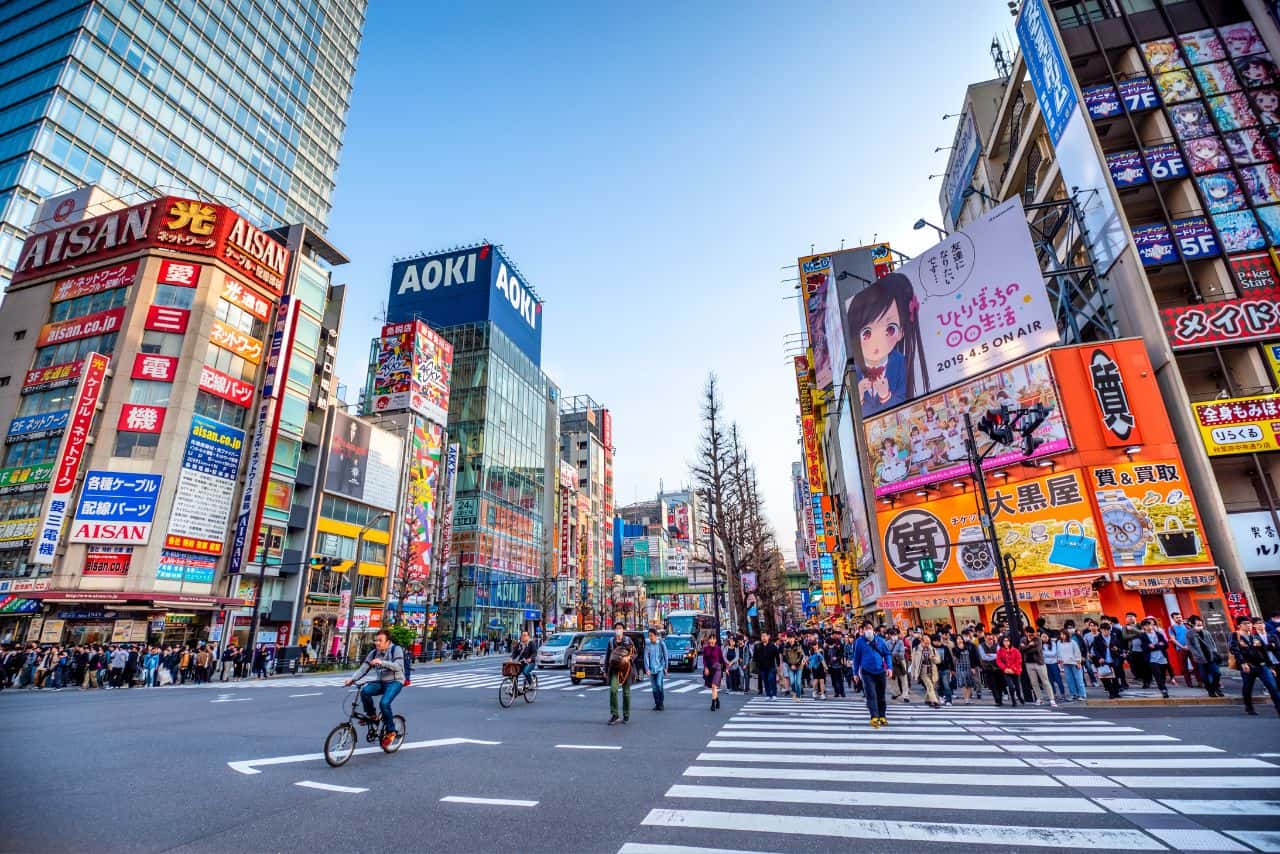
Over the next few days, explore Tokyo by neighbourhood rather than by checklist. Ginza works beautifully for polished dining, shopping, and easy access to some of the city’s finest restaurants. Aoyama and Omotesando bring a quieter design-led rhythm. Shinjuku gives you the city’s scale and evening energy. Asakusa offers a more traditional atmosphere, especially early in the morning.
Food should sit at the centre of your Tokyo stay. A market visit, sushi-making experience, ramen stop, izakaya evening, or private food walk can give the city texture. Families may enjoy teamLab, the Ghibli Museum, character cafés, department store food halls, and creative neighbourhoods such as Kichijoji and Shimokitazawa.
Days 5 to 7: Kyoto
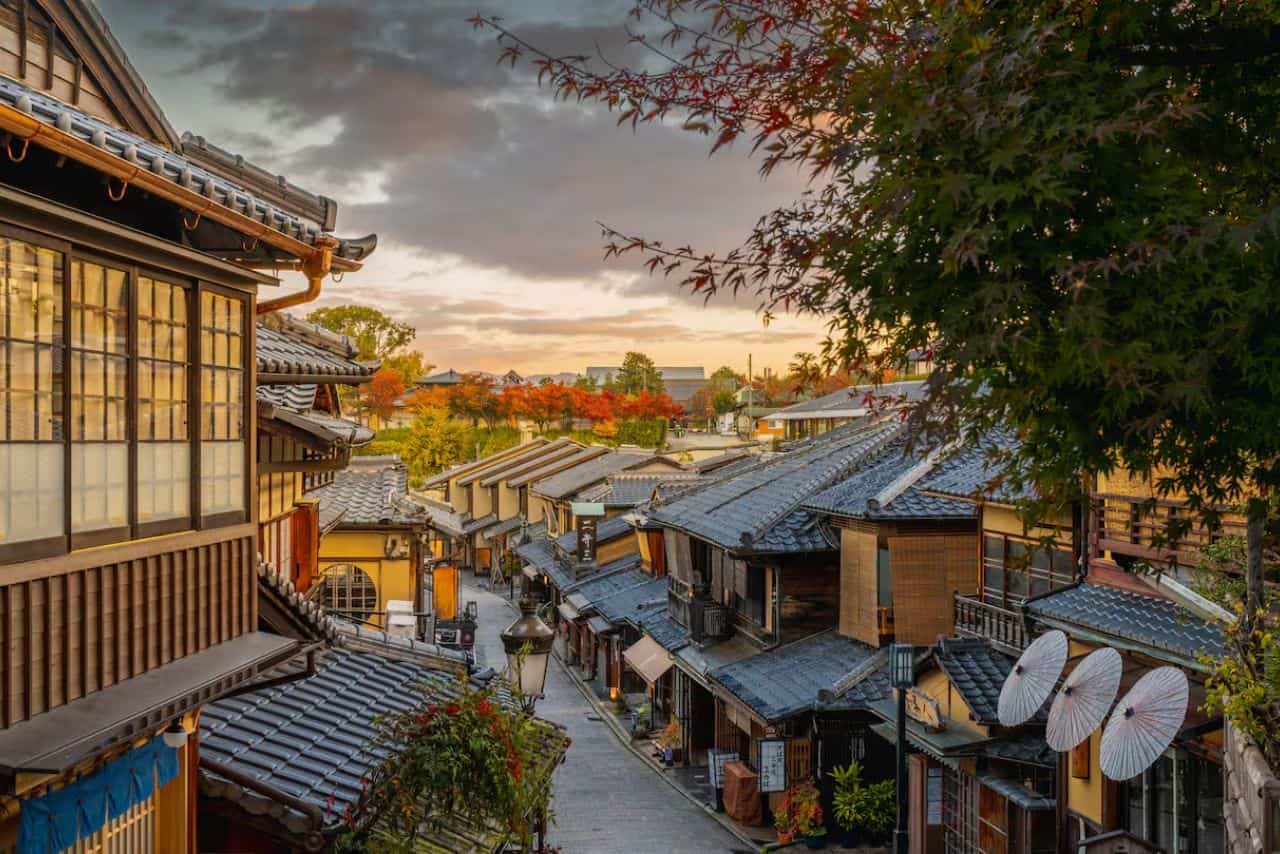
Travel by bullet train to Kyoto, where the pace changes. After Tokyo’s movement, Kyoto feels older, softer, and more reflective. This is where timing matters. Early mornings are worth protecting, especially in Higashiyama, Fushimi Inari, and the temple districts.
A private guide can make Kyoto far more meaningful by adding cultural context to places many travellers only photograph. Kinkaku-ji, Ginkaku-ji, Ryoan-ji, Fushimi Inari, Nishiki Market, and the lanes of Gion all hold more when you understand what you are seeing.
A tea ceremony, seasonal dining experience, guided market visit, calligraphy workshop, or private cultural experience can bring Kyoto closer. Kyoto is at its best with space for stillness, so it helps to keep each day light.
Day 8: Nara or Osaka

From Kyoto, Nara makes a beautiful day trip for temples, gardens, and a gentler introduction to Japan’s ancient capital. Osaka offers a different kind of pleasure, especially for travellers who love food and evening atmosphere.
Osaka is generous and flavourful, with okonomiyaki, takoyaki, markets, small counters, and a warmth that feels different from Tokyo and Kyoto. Some travellers visit for the evening, while others choose to spend one or two nights.
Days 9 to 10: Hakone
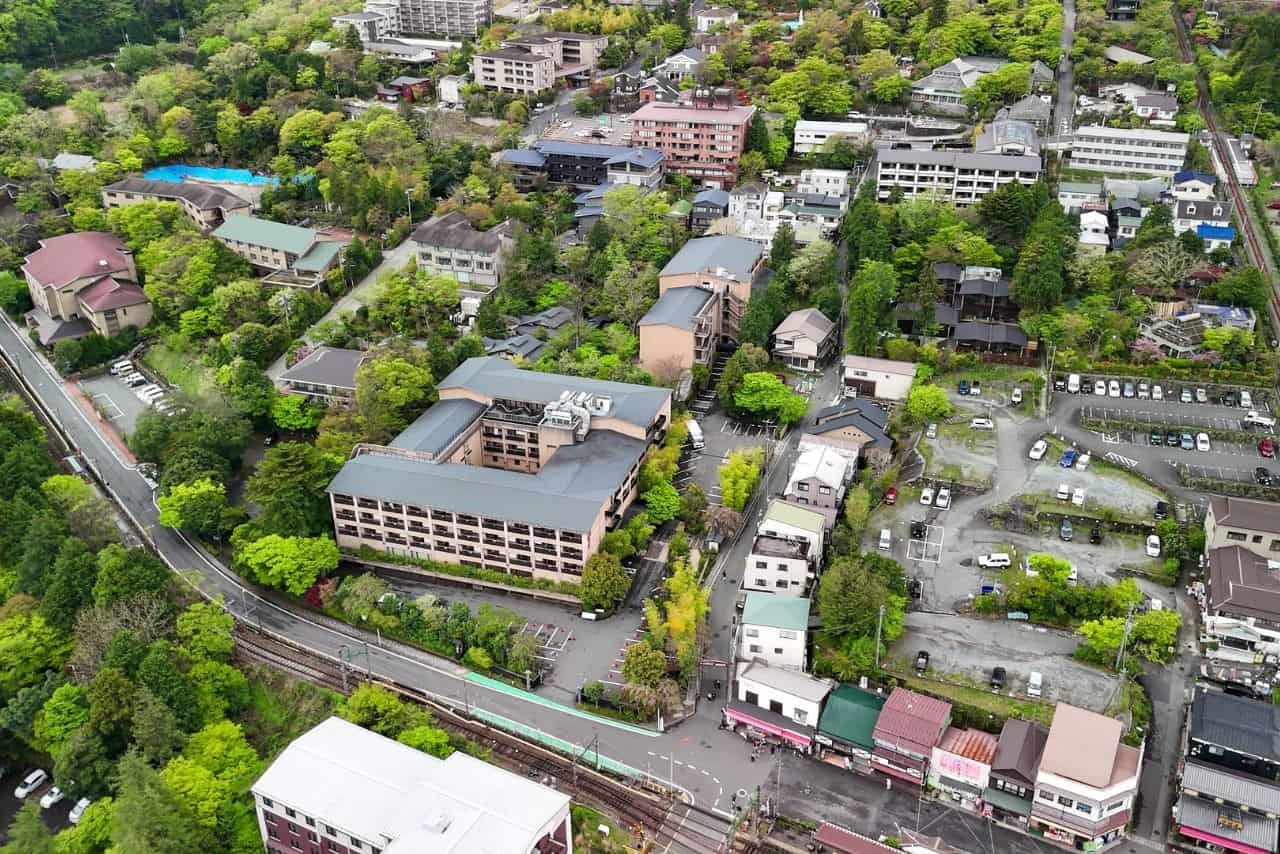
Hakone gives the journey a pause. This is where a ryokan stay can become one of the most memorable parts of the experience. The evening has its own rhythm: arrival, tea, onsen, dinner, quiet.
On clear days, Hakone can offer views toward Mount Fuji. Even when the mountain stays hidden, the experience still holds its own beauty through the landscape, the food, and the slower pace.
For couples, honeymooners, and families, Hakone works well as a soft ending before returning to Tokyo for departure. It allows the journey to close with rest rather than another busy city day.
Helpful Japan Tips for First-Time Travellers
First time in Japan? A few details make the journey feel much easier.
- Complete Visit Japan Web before arrival so your immigration and customs information is ready online.
- Use an IC travel card such as Suica, PASMO, ICOCA, Welcome Suica, or TOURIST PASMO for local trains, buses, and small purchases.
- Travel light between cities. Japan’s luggage delivery services can send your suitcase ahead, which makes train stations, hotel changes, and sightseeing days feel much smoother.
- Do not overfill the itinerary. Tokyo, Kyoto, Osaka, and Hakone each need breathing room.
- Book special dining, tea, ryokan, and private cultural experiences early, especially during cherry blossom and autumn seasons.
- Keep one easy day in the journey. In Japan, some of the best moments happen between the scheduled ones.
Japan Itinerary (10 days vs 2 weeks): How much time to give it
Many travellers wonder whether 10 days is enough for Japan or whether two weeks would give the journey more room to feel smooth, personal, and beautifully paced.
Ten days can give you a beautifully focused introduction to Tokyo, Kyoto, and Hakone, while two weeks gives the itinerary more space for Osaka, Nara, Kanazawa, Hiroshima, or a slower stay in the Japanese Alps.
With 10 days, focus on Tokyo, Kyoto, and Hakone, with Osaka or Nara included carefully if the pace allows. This gives you a strong first journey without too many hotel changes. It is ideal for travellers who want Japan to feel clear, elegant, and manageable.
With 12 to 14 days, the itinerary opens up. You can add Osaka more comfortably, spend more time in Kyoto, include a food-focused evening, add Nara, or consider a deeper extension such as Kanazawa, Hiroshima, Naoshima, Koyasan, or the Japanese Alps.
How many days do you need in Japan? For most first-time travellers, 10 days is a thoughtful minimum, and two weeks gives the journey more room to breathe. Anything shorter can still be worthwhile, but it requires clearer priorities and fewer stops.
When you are ready, our travel designers would be happy to create a Japan itinerary that feels entirely your own.
Tokyo vs Kyoto: How Each City Shapes a First Trip to Japan
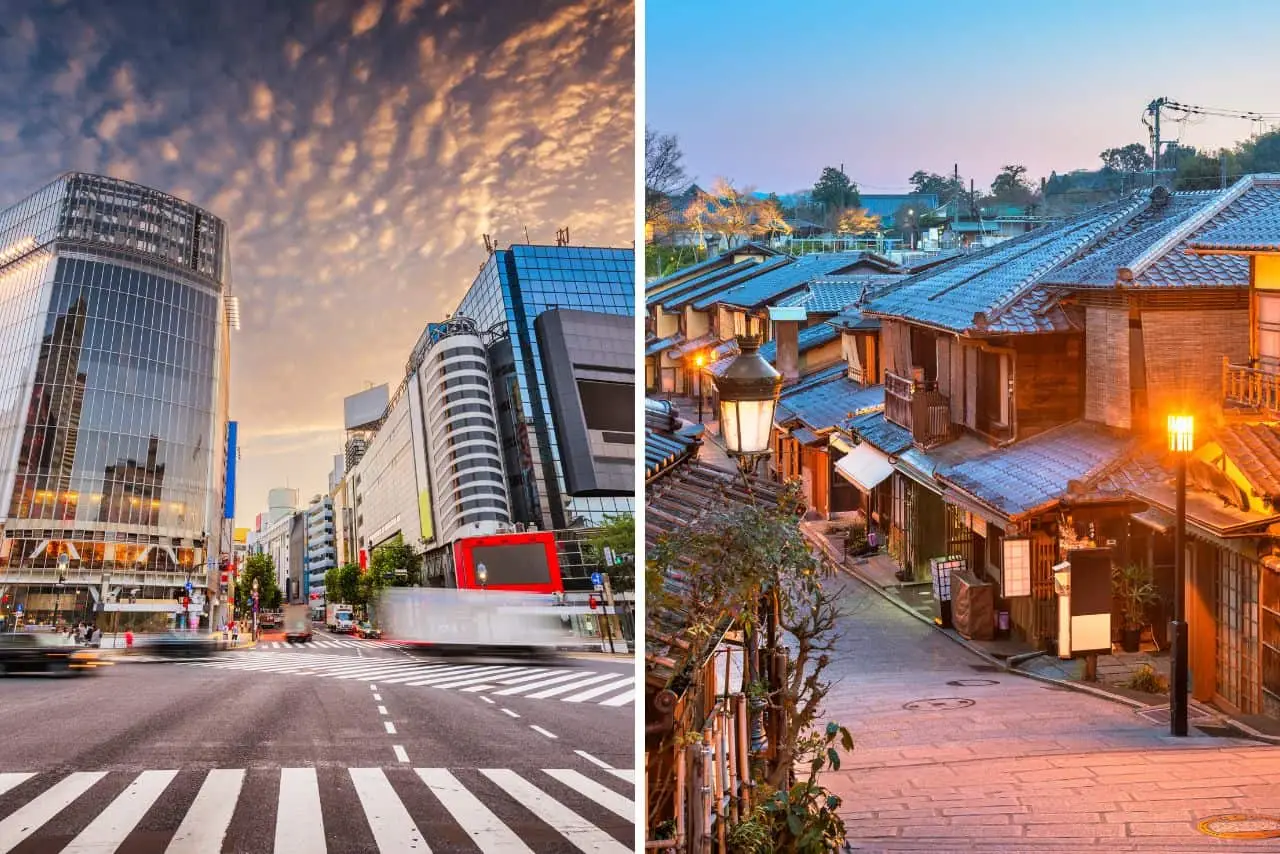
Tokyo and Kyoto are often spoken about together, but they offer very different experiences.
Tokyo is scale, energy, food, design, shopping, contemporary culture, hidden bars, neighbourhoods, gardens, and a sense of constant discovery. It is a city that feels alive at every hour, and it rewards travellers who explore by area rather than by attraction.
Kyoto is slower, more traditional, and more atmospheric. It is temples, gardens, tea, seasonal cuisine, quiet lanes, and early mornings that feel almost private when planned well. It rewards travellers who give it time and let it unfold slowly.
When comparing Tokyo vs Kyoto, the best time to visit Japan depends on what you want most from the journey. Spring and autumn make both cities beautiful, with cherry blossoms and maple leaves adding an extra layer to temples, gardens, riversides, and parks. Winter gives Kyoto a quieter elegance and Tokyo a crisp, clear energy. Summer brings festivals, warm evenings, and a livelier pace.
The best first journey usually includes both. Tokyo shows you Japan’s modern energy. Kyoto gives you a deeper sense of cultural rhythm. Together, they create the contrast that makes the country so compelling.
READ ALSO: Popular Japanese food You Must Eat when In Japan
Japan Travel Guide: Best Time to Visit Japan

Japan rewards every season, and the best time to visit Japan depends on what you want from your days.
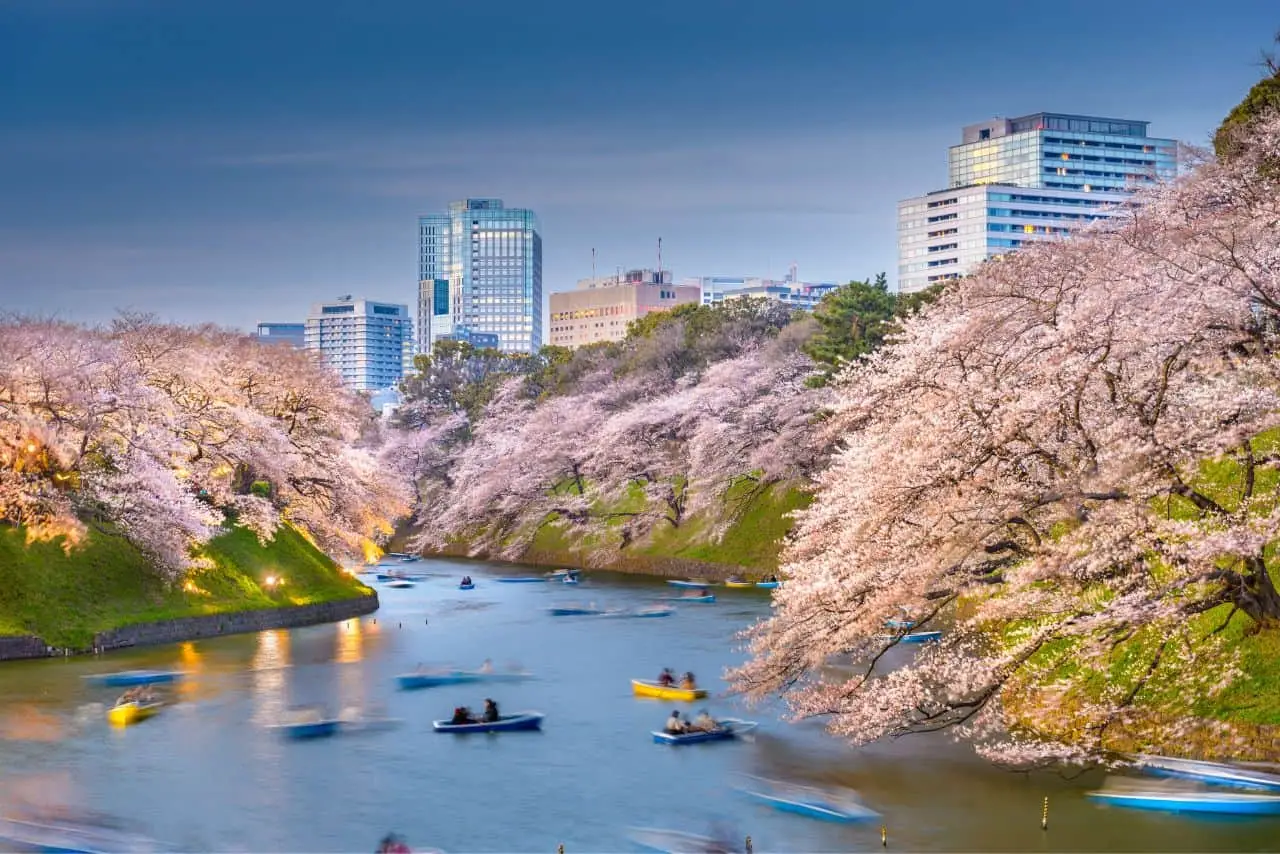
Spring is the most famous season, when cherry blossom moves across the country from late March into early April. The bloom travels slowly northward over the weeks, so timing and location shape exactly what you see, and a few days among the blossoms is one of the most memorable experiences Japan offers.
Autumn is the quieter favourite. Through November the maple leaves turn red and gold across Kyoto’s gardens and the hills of the Japanese Alps, with mild days and an unhurried feel that many travellers love most of all.
Summer fills the calendar with festivals, fireworks, and lantern-lit evenings. The days run warm and humid, with a rainy spell through much of June, so the early mornings and long evenings tend to be the loveliest hours.
Winter brings snow on temple roofs, celebrated skiing in Hokkaido, and the deep comfort of an open-air onsen as the flakes fall, with gentler crowds throughout.
Spring and autumn remain the most sought-after windows, and they fill early, so a head start serves you well.
How far ahead should you plan for Japan?
Spring and autumn reward an early start, especially if you have your heart set on cherry blossom, autumn foliage, a sought-after ryokan, private guides, or a table that seats only a few each night.
Japan can still come together closer to departure, and the most considered journeys usually benefit from a little more time.
For honeymoons, family travel, and multi-generational groups, an early start shapes the things that matter most, including room types, pacing, train routes, private transfers, and the experiences that need securing in advance.
As a simple rule, begin several months ahead for spring and autumn. Secure ryokan, guides, and special dining first, since they book earliest, and allow extra lead time for honeymoons and family travel.
How to Plan a Trip to Japan With Guide Me Away
Planning Japan well is rarely about adding more. It is about knowing what deserves space, what needs to be arranged early, and where the journey should slow down. At Guide Me Away, we shape each route around the feeling you want from the country, then take care of the details that make it feel easy once you arrive.
- Start with the feeling. Do you want food and city energy, temples and culture, anime and pop culture, or a softer journey of ryokan, onsen, art, and nature? This is where the itinerary begins.
- Choose the right route. A first journey often works well with Tokyo, Kyoto, Hakone, and Osaka. Tokyo usually needs at least three nights, Kyoto deserves three or more, Hakone suits one or two, and Osaka adds food and easy day trips.
- Give each place enough time. Japan is best with space between the highlights, so we make sure each city has room to feel meaningful.
- Arrange special experiences early. Tea ceremonies, private guides, sushi counters, kaiseki dining, ryokan stays, and family experiences are best secured in advance, especially in spring and autumn.
- Make travel days smooth. We handle bullet trains, hotel locations, luggage forwarding, private transfers, and timing, so each move feels easy.
- Balance guided time and free time. The best journeys mix expert-led experiences with quiet space to explore, eat, or simply enjoy the moment.
- Let it feel beautifully handled. With the details shaped around you, your Japan journey feels calm, connected, and personal from the first day to the final return.
How to Get Around Japan
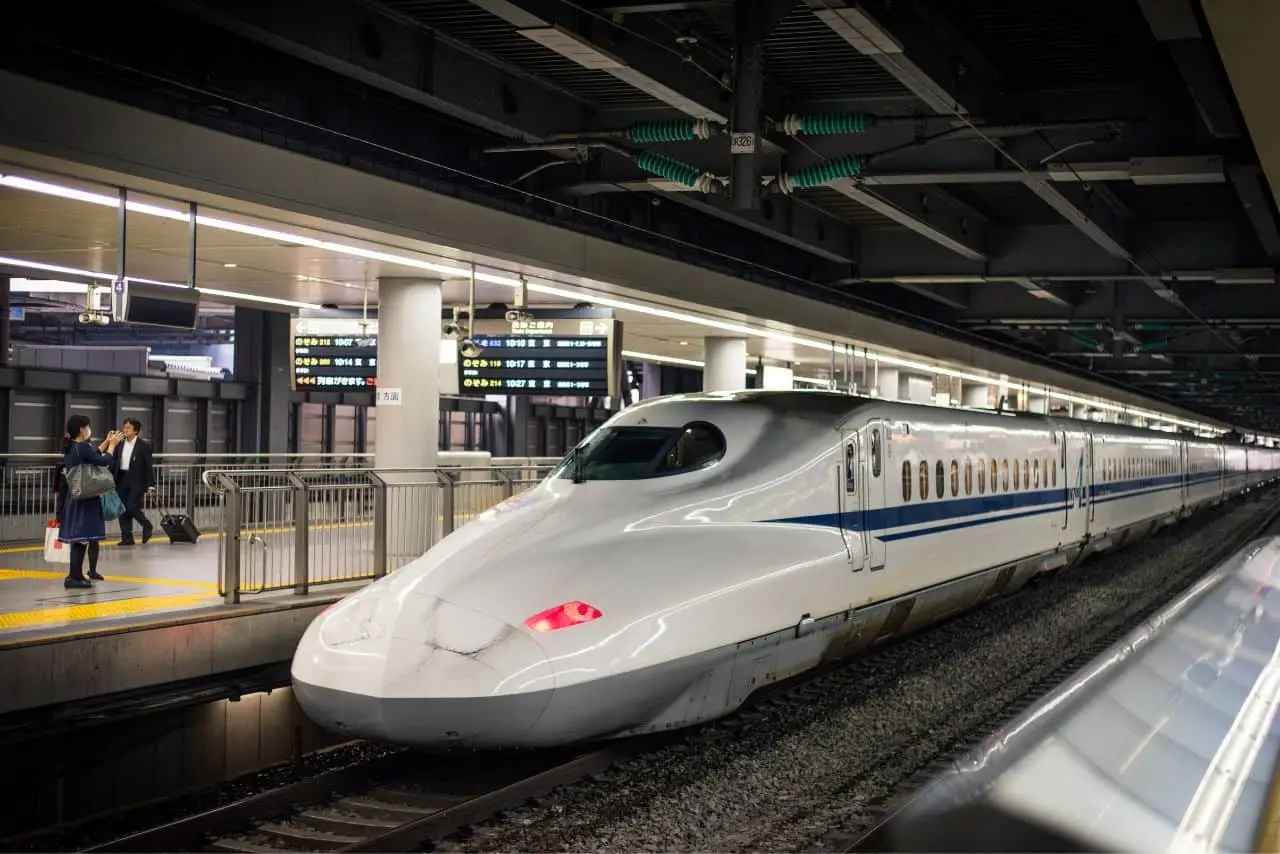
Japan’s public transport is one of the great strengths of travelling here, and learning how to get around Japan makes the whole journey easier.
Trains connect the major cities efficiently, and the shinkansen, or bullet train, links Tokyo, Kyoto, Osaka, and beyond at speeds up to around 320 kilometres per hour, running on time to the minute.
A rechargeable IC card, such as Suica or ICOCA, covers most local trains, buses, and even a coffee from a convenience store with a single tap. For long-distance travel, reserved seats make the experience smoother, especially with family or in busier seasons.
The Japan Rail Pass suits travellers covering several long routes, while regional passes or individual tickets work better for others, so the right choice depends on your route.
Luggage deserves a thought too. Many stations have lockers, and luggage forwarding services carry your bags ahead to the next hotel, which makes multi-city travel far easier, particularly with a ryokan stay or when travelling as a family.
For most travellers the trains are simple, and it is the timing, luggage, and hotel access where a little expert guidance makes each day feel effortless.
READ ALSO: 10 Best Luxury Eco-Resorts Around The World
Where to Stay in Japan
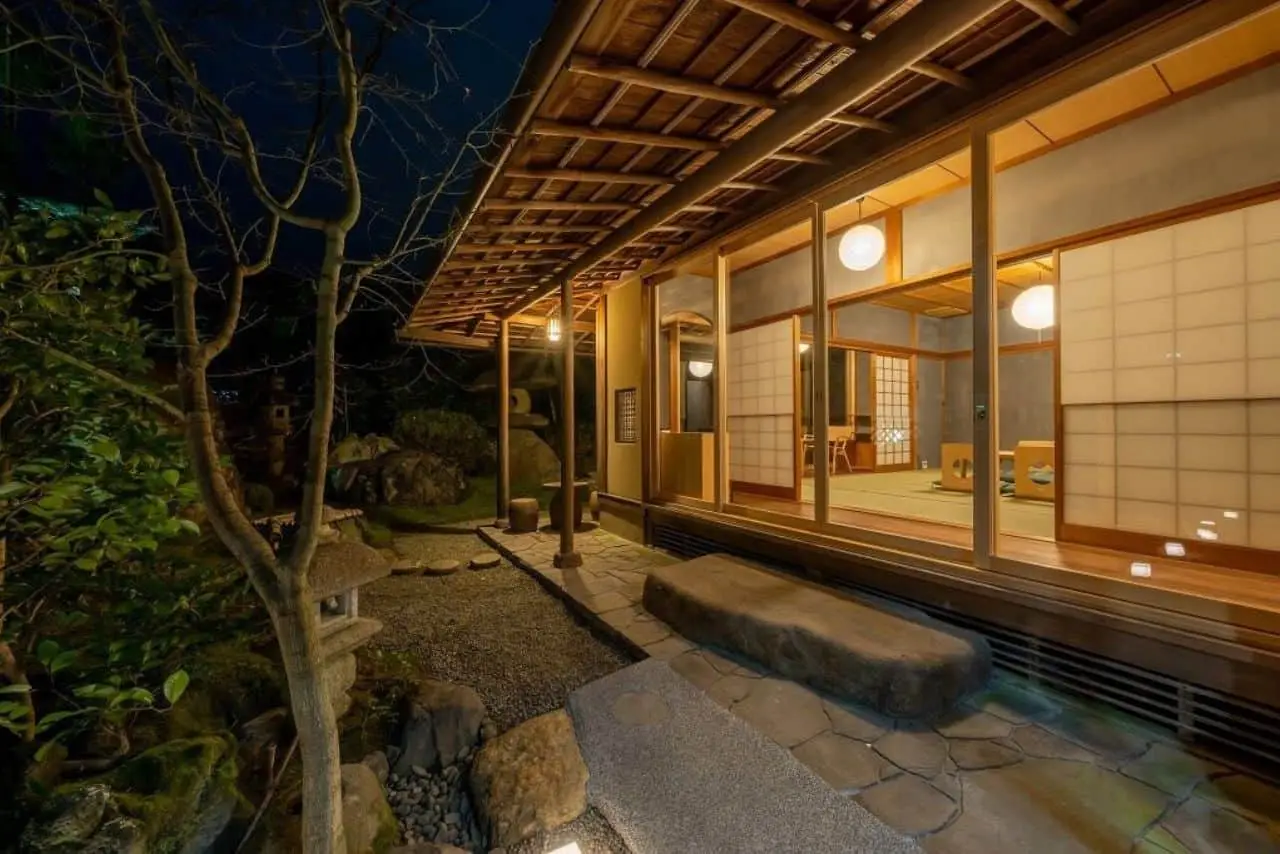
Where you stay shapes how the whole country feels, and Japan offers two very different pleasures worth combining.
A ryokan, the traditional inn of tatami mats and sliding screens, reveals itself slowly over an evening of warm sake, a kaiseki dinner of small seasonal courses, and the ease of a private onsen at night. A night in one is among the most memorable parts of any visit.
In the cities, you can balance that with a modern hotel or suite, many with skyline views and the considered service Japan is known for. Location is one of the most important choices you make.
In Tokyo, stay near the neighbourhoods you care about, such as Ginza for dining or Shinjuku for energy and transport. In Kyoto, a central base makes those early temple mornings far easier. In Hakone, choose the ryokan with care, since the room, the view, the dinner, and the onsen all shape the experience.
What to Eat in Japan

Food is one of the strongest reasons to travel through Japan, and it reaches far beyond sushi. The country treats cooking as a craft refined over generations, and the quality is high at every level, from a simple bowl of ramen to a formal kaiseki dinner of seasonal courses. Each region has its own specialities and its own rhythm.
Tokyo is known for sushi counters, izakaya, ramen, tempura, and remarkable department store food halls, and it holds more Michelin stars than any other city in the world.
Kyoto leans towards kaiseki, tofu, tea, and the seasonal produce of Nishiki Market. Osaka is the home of bold street food such as okonomiyaki and takoyaki.
Many of the finest tables seat only a handful of guests and open their books weeks or months ahead, so a little forethought pays off, and a local partner or hotel concierge can often help with access.
Japan for Families and Multi-Generational Travel
Japan is one of the easiest countries to enjoy across generations. It is clean, safe, welcoming, and wonderfully organised, and the trains alone are a highlight for younger travellers.
Children tend to love the bullet trains, the food halls, the gardens, the markets, and the hands-on workshops, while grandparents appreciate the calm, the comfort, and the gentle courtesy found everywhere.
The key to a happy family journey is pacing and practicality. Considered hotel room choices, slower days, luggage forwarding, and neighbourhoods that keep transfers simple all make a real difference.
For multi-generational groups, private guides and private transfers where helpful keep everyone comfortable, and building in rest time means each day feels joyful for the whole family, from the youngest to the eldest.
READ ALSO: The Best Luxury All-Inclusive Family Resorts in Europe—2026 Guide.
Japan Itinerary Mistakes to Avoid
A well-shaped first journey comes down to a few simple choices. Here are the Japan itinerary mistakes to avoid, each paired with the approach that keeps your days calm and unhurried.
- Give each place room to matter. Japan’s train system is efficient, yet every hotel change still takes time and energy, so a route with fewer stops lets each one leave its mark.
- Give Tokyo the time it deserves. Rather than a quick arrival point, Tokyo rewards a proper stay, with its best moments arriving by neighbourhood, through food, design, gardens, side streets, and the slow pleasure of finding your bearings.
- Let Kyoto breathe. Temples, shrines, gardens, markets, and cultural experiences sit beautifully together when they are timed well, and Kyoto rewards early mornings and unhurried days most of all.
- Book the sought-after experiences early. Japan’s small, personal restaurants, guides, and ryokan stays open their books well ahead, so securing them in good time keeps the most memorable moments within reach.
- Let your luggage travel ahead. Moving through major stations feels effortless when your bags go on to the next hotel, and luggage forwarding is often the detail that changes the whole day.
- Choose hotels for more than looks. In Japan, location, room size, station access, dining plans, and transfer logistics shape a stay as much as design does, so weigh them all together.
- Leave room in each day. Japan is full of small pleasures, a quiet coffee, a side street, a little shop, a garden bench, and an unplanned bite, and these often become the moments you remember most, so an open hour or two is always worth protecting.
This Is Where Your Journey to Japan Begins
The best journeys through Japan feel clear, balanced, and well-paced. You know where you are going, why each place belongs, and how each day supports the journey as a whole.
A well-designed itinerary gives you Tokyo’s energy, Kyoto’s stillness, Osaka’s warmth, Hakone’s quiet, and enough space between them to feel each place properly. It gives you the practical ease of bullet trains, luggage forwarding, private guides, and thoughtful hotel choices. It also gives you something harder to measure: the feeling that every detail has been considered before you arrive.
If Japan is the journey you have been holding onto, we would love to help shape it with care.
Share what you have in mind, and we will design a Japan journey that feels personal, well-paced, and considered from the first idea to the final return.
Frequently Asked Questions
When is the best time to visit Japan?
Spring and autumn shine brightest. Cherry blossom arrives from late March into early April, and the maples turn deep red through November. Both windows fill early, so a head start serves you well. Winter and summer suit travellers drawn to snow, onsen, or festivals.
How many days do you need in Japan?
Most travellers find that 10 to 14 days gives Japan room to be felt rather than rushed. Ten days covers Tokyo, Kyoto, and Hakone with care, while two weeks gives Osaka, Nara, or a quieter region space to belong.
What is the best way to get around Japan?
The shinkansen bullet train links the major cities swiftly and runs on time to the minute. Within each city, trains, short walks, and a private car carry you wherever the day leads, and luggage forwarding keeps multi-city travel easy.
Is Japan suitable for families and multi-generational travel?
Japan welcomes every generation with ease. Children enjoy the trains, the food halls, and the gardens, while grandparents appreciate the calm and comfort. Gentle pacing, good hotel choices, and private guides keep everyone happy from the first day to the last.
Do you need to speak Japanese to travel in Japan?
English appears across cities, stations, and hotels, and a little courtesy carries you far. Private guides and local partners smooth every interaction, from ordering a meal to finding a quiet garden, so you arrive curious and meet Japan with ease.
What makes a Japan travel guide truly useful?
A truly useful Japan travel guide moves past a list of sights and into timing, access, and pacing. It knows the hour to arrive at a temple, the ryokan worth booking months ahead, and the tables that seat only a few. Those details turn sightseeing into memory.