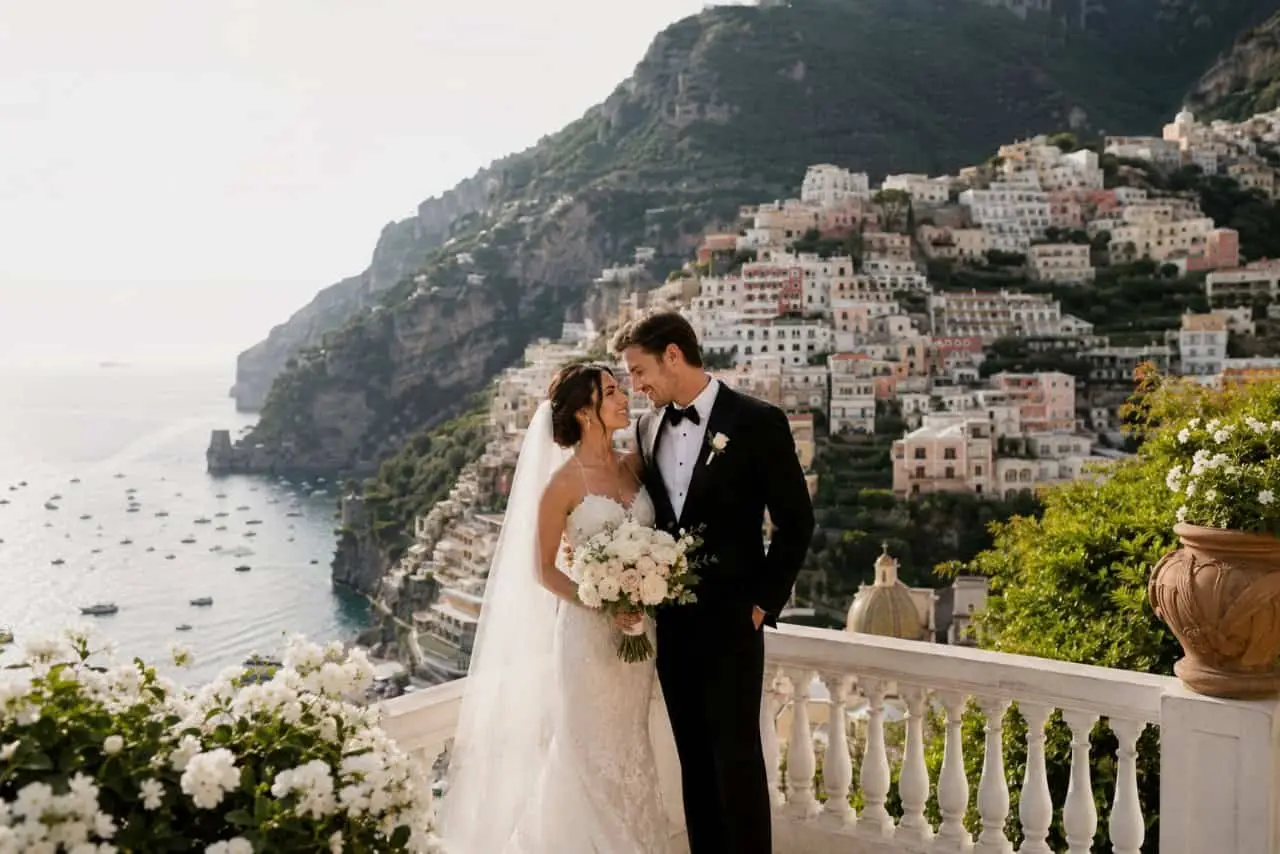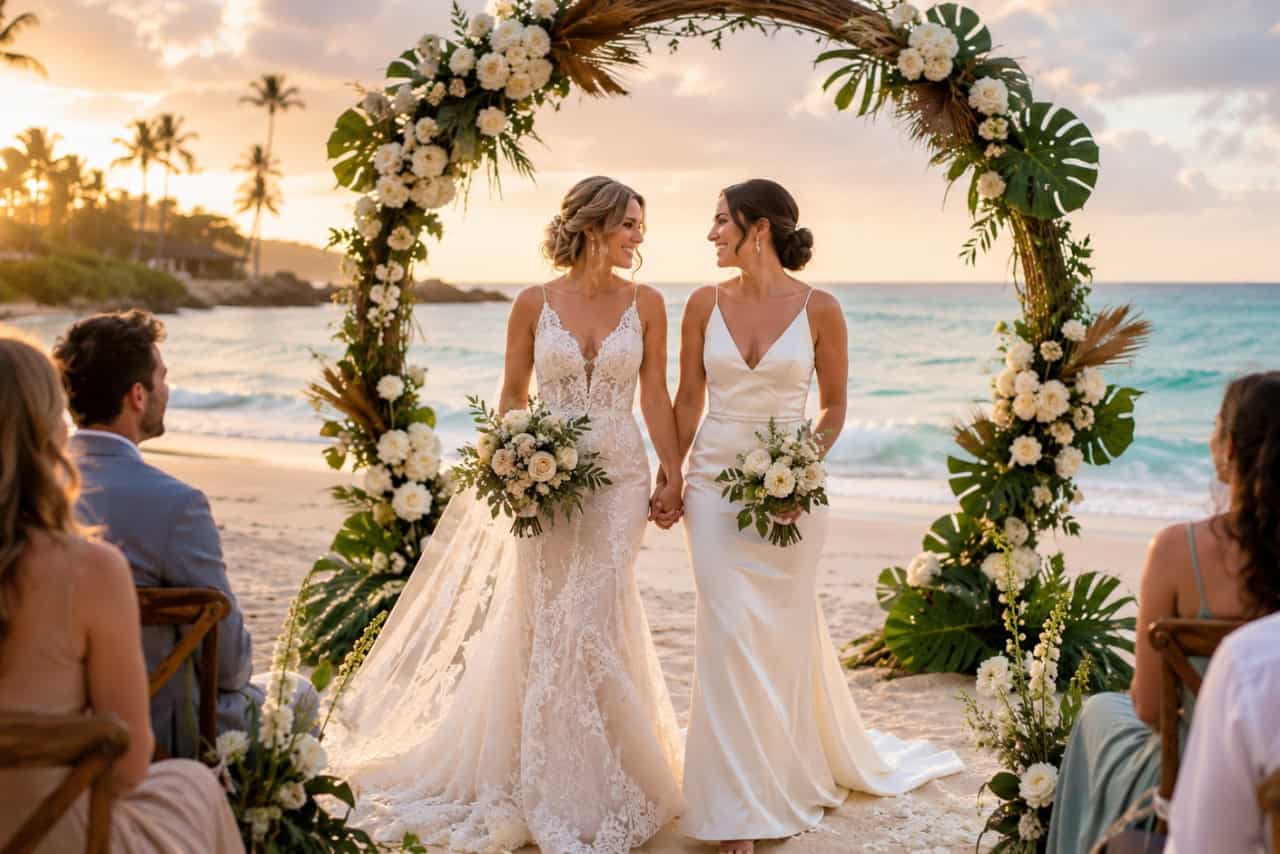
Some weddings are imagined long before a date is chosen.
A table set by the sea. A ceremony in soft island light. A weekend where the people you love arrive from different cities and gather somewhere beautiful, warm, and full of meaning.
For many Canadian couples, a destination wedding offers time, place, celebration, and a feeling that stretches beyond a single day.
A destination wedding can be deeply personal, and it also asks for thoughtful planning. You are choosing a country, a venue or resort, guest travel, legal requirements, weather, flights, room blocks, vendors, timelines, and the rhythm of the entire experience. The right support turns those moving pieces into something that feels calm, clear, and beautifully held.
This guide is for couples in Canada who want the celebration to feel considered from the beginning. A destination wedding for Canadian couples should feel like your own. It is shaped around the people coming, the place you choose, and the way you want everyone to feel when they arrive, more than anything chosen from a brochure.
Key Takeaways: Destination Wedding For Canadian Couples
- A destination wedding works best when the location suits your guest list, travel dates, budget, and wedding style.
- Canadian couples should confirm the legal marriage rules in the country where they plan to marry.
- Some couples choose a legal ceremony in Canada first, then hold a symbolic ceremony abroad for ease and flexibility.
- Resorts can simplify planning, especially for group travel, room blocks, guest activities, and wedding-day coordination.
- Guest travel needs careful attention, including passports, flight access, transfers, travel insurance, and clear communication.
- A well-planned destination wedding balances the ceremony, the guest experience, and time for the couple to enjoy the place.
Start With the Kind of Celebration You Want
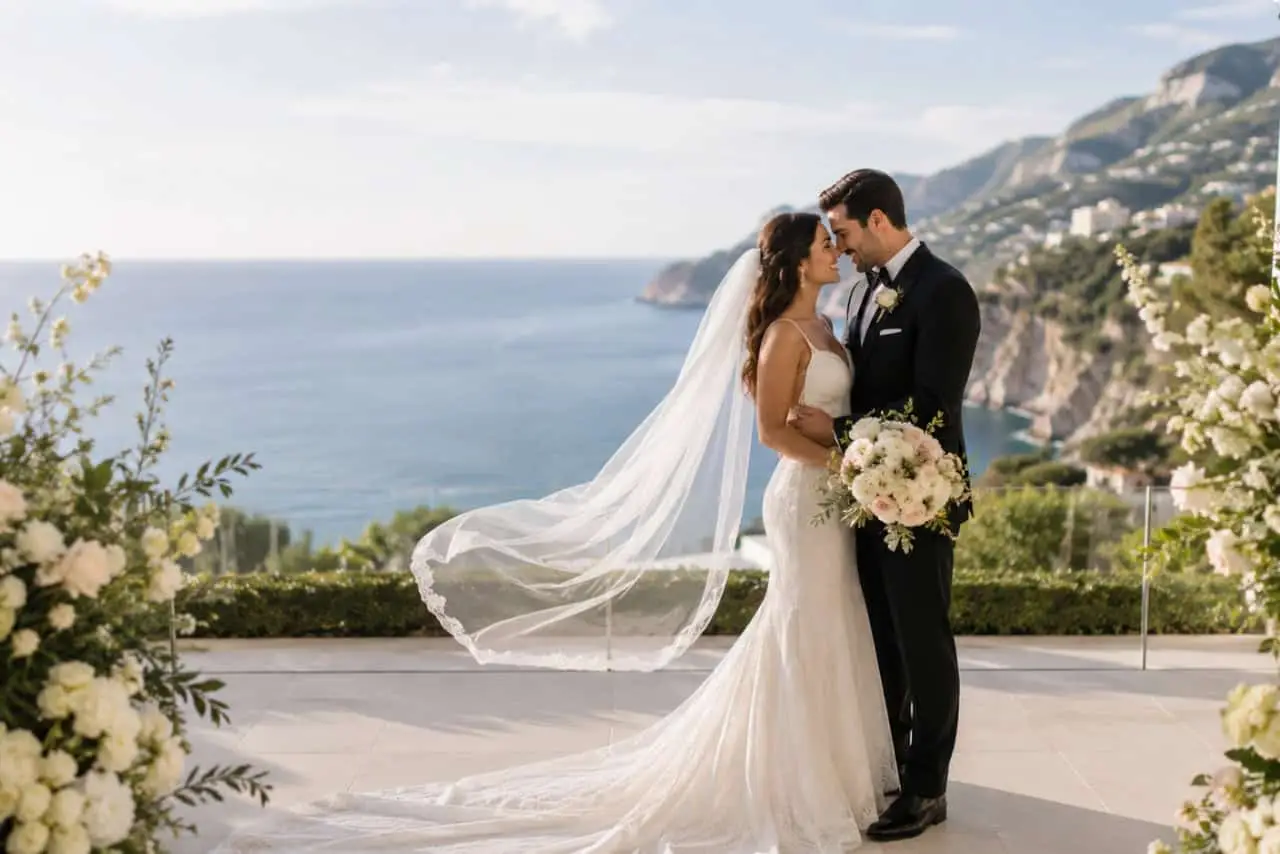
Before choosing a destination, begin with the feeling of the wedding itself.
Some couples want something intimate, only their closest people in a quiet setting. Others want a full resort celebration with welcome drinks, a beach ceremony, dinner, dancing, and a farewell brunch. The weekend might feel relaxed and family-friendly or refined and adults-only. The wedding might lead naturally into a honeymoon or stand on its own with a separate journey to follow.
These choices shape everything that comes next.
A destination wedding for Canadian couples can take many forms. Mexico and the Caribbean often work beautifully for ease, direct flights, resort options, and group travel. Europe may suit couples who want a more design-led, cultural, or private villa-style celebration. Hawaii, Costa Rica, and other warm-weather destinations can offer nature, scenery, and a softer sense of adventure.
The best destination is the one that fits your people, your pace, your budget, your travel window, and your vision, more than the one that looks most impressive in photos.
Before You Book Your Destination Wedding
- Start planning 12 to 18 months ahead, especially if you are considering the destination’s busiest travel season.
- Check the local marriage requirements early, including document translations, witnesses, medical tests or minimum-stay rules.
- Consider completing the legal marriage paperwork in Canada and holding a symbolic ceremony at your destination.
- Set your budget in Canadian dollars and allow room for exchange-rate changes, taxes, resort fees and travel costs.
- Review group booking terms carefully, including deposit deadlines, room commitments and cancellation policies.
- Encourage guests to purchase travel insurance in case plans change.
- Choose a destination with convenient flight options from Canada and accommodation that suits different budgets.
- Consider your guests’ comfort, mobility needs and preferred travel style before selecting the resort or venue.
Choose a Destination Your Guests Can Reach With Ease
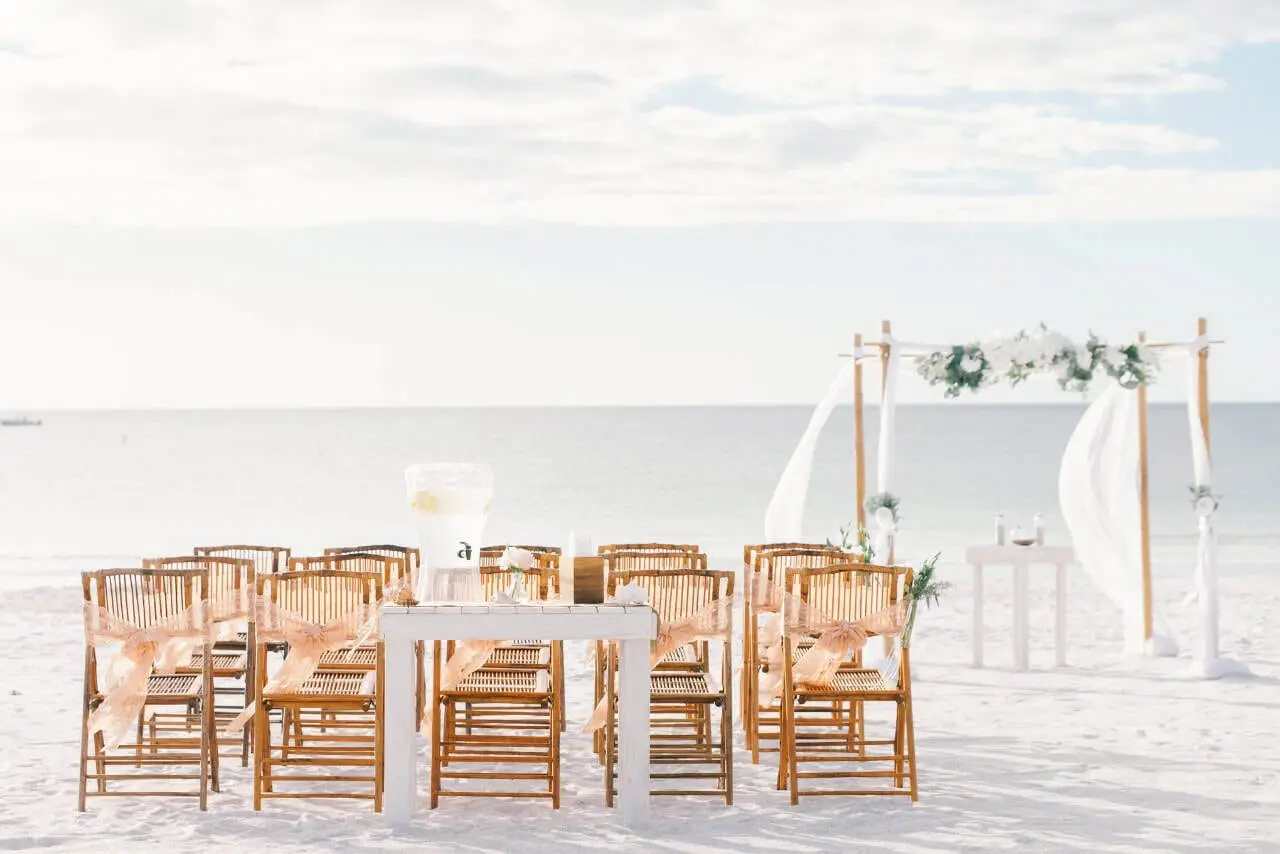
Your guests are giving you more than a wedding day. They are giving you time, travel, and presence. That makes accessibility one of the most important parts of planning.
For Canadian couples, flight routes matter. A destination with direct or simple connections from Toronto, Vancouver, Calgary, Montreal, Ottawa, or your guests’ main cities can make the whole experience smoother. Resort transfers, airport distance, arrival times, and flight frequency all affect how relaxed your guests feel before the wedding even begins.
Your guest list shapes the choice. Older relatives may appreciate shorter transfers and comfortable accommodation. Families may need child-friendly resorts, larger rooms, and flexible dining. Friends may enjoy a livelier property with beach clubs, nightlife, or group activities. A multi-generational guest list often needs a destination that offers something for everyone while keeping movement easy.
The wedding may be yours, but the experience belongs to everyone attending. When the destination works well for your guests, the celebration feels lighter from the start.
Understand the Legal Marriage Requirements
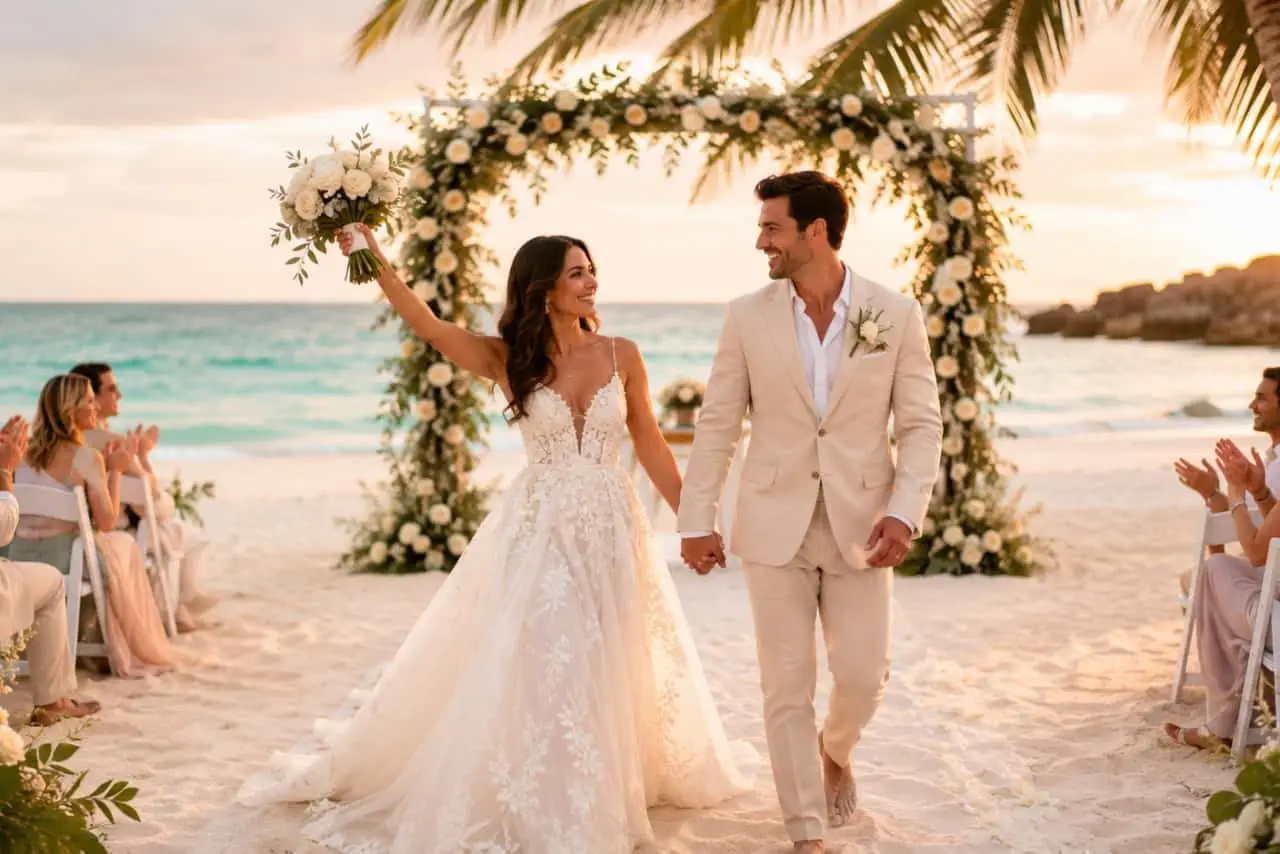
The legal side of a destination wedding deserves early attention.
Each country has its own rules for marriage. Some destinations require specific documents, translations, witnesses, blood tests, waiting periods, or local registration. Others make the process more straightforward through resorts or wedding coordinators. Requirements can also vary depending on whether the ceremony is civil, religious, symbolic, or performed by a specific officiant.
Many Canadian couples choose one of two paths. The first is to complete the legal marriage abroad according to the rules of the destination. The second is to have a legal ceremony in Canada before travel, then hold a symbolic ceremony abroad. Both options can work well. The right choice depends on the country, the couple, the timeline, and how much legal administration they want to handle while travelling for the wedding.
A symbolic ceremony abroad can offer more flexibility with timing, location, wording, and officiants. A legal ceremony abroad can feel meaningful for couples who want the official marriage to happen in the destination itself.
The key is to confirm everything early and keep copies of all required documents. Names, passports, divorce documents, birth certificates, translations, and notarised paperwork may need time to arrange.
Legal Ceremony or Symbolic Ceremony?
- A legal ceremony creates a marriage that is officially recognized, provided all local requirements are completed correctly.
- Legal requirements may include translated documents, certified copies, witnesses, residency periods, medical tests or additional fees.
- Couples should confirm how the marriage certificate will be issued and whether it requires translation or registration after returning to Canada.
- A symbolic ceremony has no legal status but can include vows, rings, readings and all the traditional elements of a wedding ceremony.
- Many Canadian couples complete the legal paperwork at home before travelling and hold a symbolic ceremony at their destination.
- A symbolic ceremony can offer greater flexibility with the date, venue, officiant and ceremony wording.
- The right option depends on the destination’s rules, your timeline, your budget and how much paperwork you are comfortable managing.
- Confirm all legal requirements with the relevant authorities or an experienced destination wedding specialist before booking.
Choose the Right Resort, Venue, or Private Setting
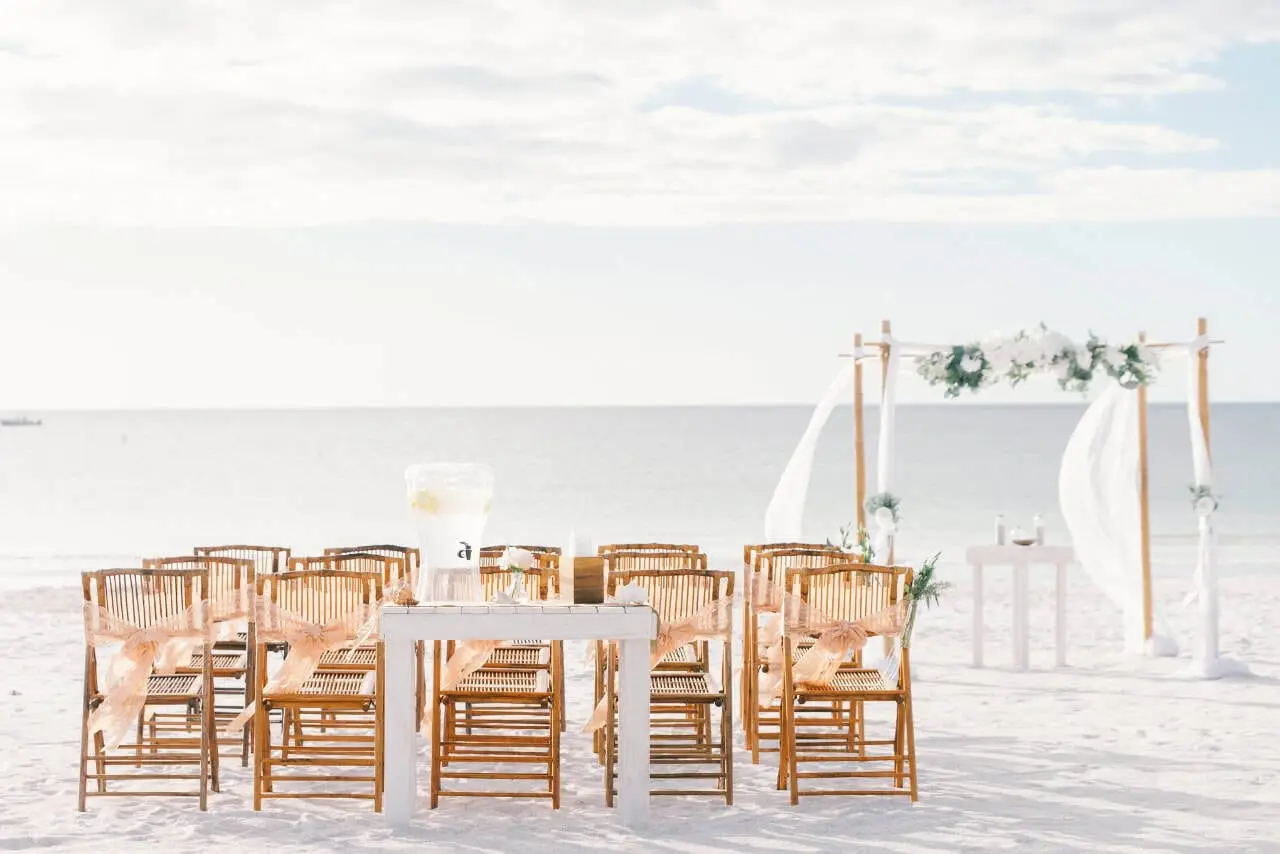
The setting determines much more than the look of the wedding. It shapes the entire guest experience.
A resort wedding can be a strong choice for Canadian couples because it brings accommodation, dining, transfers, ceremony spaces, and group support into one place. Many resorts have wedding teams, packages, preferred vendors, and room block options. This can make planning easier, especially for couples with guests arriving from different parts of Canada.
The right resort should match your wedding style. An adults-only all-inclusive may suit couples who want a polished, romantic celebration with a social atmosphere. A family-friendly resort works better when children are part of the guest list. A boutique hotel may suit a smaller group that values design, intimacy, and a quieter pace. A private villa or estate can feel deeply personal, and it often calls for more coordination around catering, staffing, transportation, rentals, and guest logistics.
Look beyond the ceremony space. Consider where guests will gather before the wedding, where they will eat, how easy it is to move around the property, what happens if weather changes the plan, and how the location feels at different times of day.
A beautiful wedding setting should also feel comfortable, well supported, and easy for guests to enjoy.
READ ALSO: Santorini or Mykonos: Which Greek Island is Right For You?
Plan the Whole Guest Experience

A destination wedding usually becomes a multi-day experience. That is part of its beauty.
Your guests may arrive two or three days before the ceremony. Some will stay longer. This gives you the chance to create a gentle rhythm around the wedding: a welcome gathering, a relaxed beach day, the ceremony, a reception, and perhaps a farewell breakfast or brunch.
The goal is room to breathe rather than a filled schedule. Guests need time to rest, explore, swim, and settle into the destination, and a few well-placed moments often feel better than a packed day.
A welcome drink can help everyone feel included from the first evening. A casual group dinner can bring families together before the formality of the wedding day. A farewell brunch gives the celebration a soft ending. For smaller groups, a private excursion, sunset sail, cooking class, or beach lunch can add a sense of place.
This is where a destination wedding for Canadian couples becomes more than a ceremony abroad. It becomes a shared memory shaped over several days.
READ ALSO: How to Plan a Stress-Free Destination Wedding (Checklist Included!)
Think Carefully About Timing and Season
The date you choose affects weather, pricing, flight availability, resort occupancy, and the guest experience.
Many Canadian couples look to warm destinations during the colder months, especially between November and April. This can be a beautiful time for Mexico and the Caribbean, with many guests eager for sun and sea. Spring and fall can also work well depending on the destination, especially when you want more choice around flights, room blocks, or venue dates.
For Europe, late spring and early autumn often bring a lovely balance of warmth, atmosphere, and comfort. Summer can be beautiful, especially for longer celebrations, and it also brings peak travel demand in many places.
It also helps to weigh school holidays, long weekends, hurricane season in certain regions, local festivals, religious holidays, and major events that could affect travel. Give your guests plenty of notice. Many destination weddings benefit from save-the-dates 10 to 12 months ahead, especially when guests need to arrange flights, time off, childcare, or family travel.
Good timing gives everyone more space to say yes.
Set a Budget That Includes the Full Picture

A destination wedding budget has several layers.
There is the wedding itself: ceremony location, reception, flowers, photography, music, beauty, officiant, décor, private events, and any vendor upgrades. Then there is the travel side: flights, accommodation, transfers, insurance, documents, attire transport, and guest-related costs. Some couples also host welcome events, excursions, or farewell meals.
Resort wedding packages can make the starting point clearer, and the final cost depends on guest count, menu choices, décor, entertainment, photography, and how personal you want the celebration to feel. Private venues and villas can offer more freedom, and they often involve more separate vendor costs.
For guests, be mindful of the total travel cost. The room rate may look manageable, and flights, transfers, and extra nights all matter too. Choosing a resort with a good range of room categories can help guests feel comfortable with their options.
The best budget is clear, realistic, and connected to your priorities. Spend where the experience matters most: the place, the food, the photography, the atmosphere, and the ease of the people travelling to be with you.
Destination Wedding Costs Couples Often Forget
- Currency exchange fluctuations when paying suppliers in U.S. dollars or the local currency.
- Resort service charges, local taxes and mandatory gratuities.
- Legal marriage documents, translations, notarization and registration fees.
- Airport transfers for the couple, wedding party or guests.
- Baggage fees for wedding attire, décor, favours and photography equipment.
- Vendor travel fees or outside-vendor charges imposed by the resort.
- Hair and makeup trials, touch-ups and services for the wedding party.
- Welcome bags, guest gifts and printed materials.
- Extra events such as a welcome dinner, group excursion or farewell brunch.
- Alterations, steaming and transporting wedding attire.
- Travel insurance and possible change or cancellation fees.
- Meals, drinks and activities that fall outside the wedding package.
- Tips for the wedding coordinator, photographers, drivers and resort staff.
- Unexpected guest changes, room upgrades or additional nights at the destination.
Communicate Clearly With Your Guests
Clear communication is one of the simplest ways to make a destination wedding feel well handled.
Guests need to know the destination, dates, room block details, deposit deadlines, passport guidance, travel insurance recommendations, dress code, wedding schedule, airport information, transfer details, and who to contact with questions. A wedding website can hold these details in one easy place.
Send information in stages. First, share the date and location. Then provide the room block and booking details. Later, send the wedding-week schedule, attire notes, transfer guidance, and any final reminders.
For Canadian guests, passport validity is especially important. Some countries require passports to be valid for a certain length of time beyond the return date. Guests should also check visa, entry, health, and vaccination requirements for the destination.
A clear guest experience helps everyone arrive prepared, relaxed, and ready to celebrate.
What Your Guests Need to Know
- The wedding destination, travel dates and recommended arrival day.
- Passport validity and any visa or entry requirements.
- The deadline for booking flights, accommodation and the group room rate.
- Deposit amounts, payment deadlines and cancellation policies.
- What is included in the resort package and what guests must pay for separately.
- Airport transfer options and the distance from the airport to the resort.
- The wedding dress code, venue setting and expected weather.
- Details of welcome dinners, excursions, farewell brunches or other planned events.
- Whether the resort is adults-only, family-friendly or suitable for guests with mobility needs.
- Travel insurance recommendations and emergency contact information.
- Whether guests should bring cash for tips, local transport or smaller purchases.
- A clear reminder that attendance is appreciated but never expected.
Make Room for the Couple

In destination wedding planning, it is easy for the guest experience to take centre stage. It matters deeply, and so do you.
Build in time for the two of you. Arrive before your guests if possible. Give yourselves a quiet dinner, a spa afternoon, or one open morning before the wedding events begin. After the ceremony, consider staying a few extra nights or moving to a second property for a mini-moon or honeymoon.
A wedding abroad can feel beautifully full. There are people to greet, events to attend, photographs to take, and details unfolding around you. The most meaningful celebrations still leave space for the couple to feel present inside their own wedding.
That is often where the memory lives. A quiet breakfast the morning after. A walk along the water before guests wake. A few minutes together after the ceremony before the reception begins.
Plan for those moments with the same care you give the flowers and the tables.
Work With the Right Travel and Planning Support
A destination wedding involves both wedding planning and travel planning. Those are connected, and they remain distinct.
The wedding team handles the ceremony and celebration details. The travel advisor helps with destination choice, resort selection, room blocks, guest travel, booking support, transfers, insurance guidance, and the travel experience around the wedding. Together, the right support can make the process feel much easier.
For Canadian couples, this is especially valuable when guests are travelling from different provinces or cities. Someone needs to understand flight access, resort contracts, booking timelines, room categories, guest questions, and the difference between a property that looks beautiful and one that works well for a wedding group.
A destination wedding for Canadian couples should feel guided from the first decision. The couple should feel supported, and the guests should feel cared for long before they arrive.
Questions to Ask Before Booking a Destination Wedding
- Is the wedding package priced in Canadian or U.S. dollars?
- What is included in the ceremony and reception package?
- Are there minimum room or guest requirements?
- What deposits are required, and are they refundable?
- Are outside photographers, florists or entertainers allowed?
- What happens if the weather affects the ceremony?
- Is there a backup indoor venue?
- Will a wedding coordinator be available before and during the event?
- Are airport transfers included for the couple or guests?
- What additional taxes, service charges or resort fees should you expect?
- Are children permitted at the resort and wedding venues?
- What accessibility options are available for older guests or guests with mobility needs?
A Wedding That Feels Entirely Yours
The best destination weddings feel effortless to the people attending, and that ease comes from thoughtful decisions made early.
The destination, resort, ceremony setting, guest travel, legal details, room blocks, timing, and pace all shape how the wedding feels. When those details work together, the celebration becomes more than a day away. It becomes a journey shared with the people who matter most.
Guide Me Away helps Canadian couples choose the right destination, the right property, and the right rhythm for a wedding that feels personal, beautiful, and fully considered.
If you are beginning to imagine your wedding somewhere beyond Canada, let’s shape the version that feels entirely yours.
READ ALSO: Tips From Planning My All-Inclusive Destination Wedding at Barceló Maya Palace, Riviera Maya
Plan Your Destination Wedding With Guide Me Away
From choosing the right destination and resort to coordinating flights, accommodation and guest travel, Guide Me Away brings every detail together with care.
Share your vision with us, and we will create a destination wedding experience that feels seamless, personal and beautifully planned.
Speak with a GMA travel designer
Frequently Asked Questions
Is a destination wedding legally recognised in Canada?
A marriage legally performed in another country is usually recognised in Canada. Couples should confirm the marriage rules in the destination and make sure all documents, witnesses, translations, and local requirements are handled correctly.
Should Canadian couples legally marry at home before a destination wedding?
Some Canadian couples choose to legally marry in Canada first, then hold a symbolic ceremony abroad. This can simplify the legal process and give more flexibility for the ceremony, location, and timing.
How far in advance should you plan a destination wedding?
Most couples benefit from planning 12 to 18 months ahead. This gives more choice for resorts, venues, room blocks, flights, photographers, and guest travel planning.
What destinations work well for Canadian destination weddings?
Mexico and the Caribbean are popular because of flight access, resort options, warm weather, and group travel support. Europe, Costa Rica, Hawaii, and other destinations can also work beautifully depending on the couple’s style, guest list, and budget.
Do guests need travel insurance for a destination wedding?
Guests should strongly consider travel insurance for medical coverage, travel changes, cancellations, delays, and other travel-related needs. Couples can also remind guests to review the Government of Canada’s travel advice for the destination before booking.